

From Xochimilco to Chapultepec: Matching Travelers with Mexico City’s Local Experts
Matching travelers with local experts doesn't eliminate independent exploration. It makes that exploration more informed, more respectful, and more rewarding

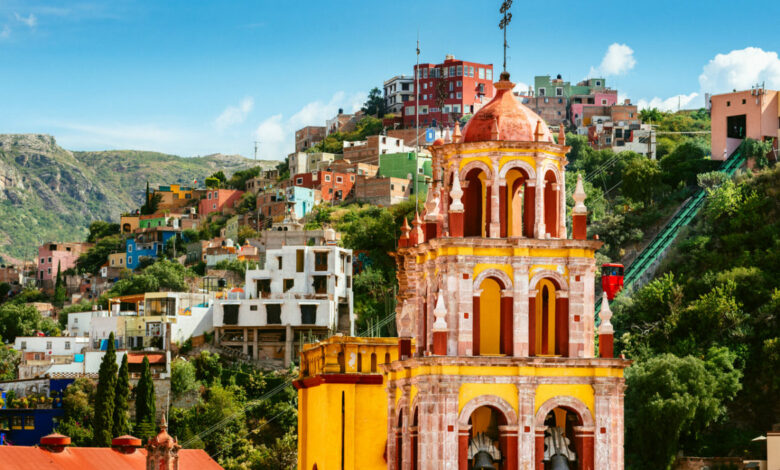
Mexico City stretches across 1,485 square kilometers, home to nine million residents and centuries of layered history.
Visitors arrive with limited time and unlimited options. The gap between seeing famous landmarks and understanding the city that pulses around them often comes down to a single variable: who shows them around.
A visitor stands in front of the Palacio de Bellas Artes, checking off another landmark. The marble facade glows in morning light. Photo taken. Next stop.
Three blocks away, a different traveler sits with a local host at a corner taquería in Colonia Juárez. The host explains why this specific stand uses Oaxacan cheese, why the vendor's grandmother's recipe matters, and why locals arrive at 11 AM, not Noon.
Both travelers will leave Mexico City with stories. Only one will leave with understanding. The difference lies in who shows you the city, and whether that person matches what you actually want to learn.
When Interest Shapes the Day
Large group tours move efficiently. They hit major sites, keep schedules, and deliver predictable experiences. But they miss the gaps between monuments where actual city life happens. The vendor who sources heirloom corn from Tlaxcala.
The Art Deco building in Roma that tells three decades of architectural history. The playground in Chapultepec where local families gather every Sunday.
For travelers who want to explore with real locals, City Unscripted connects visitors with neighborhood hosts across Mexico City.
Travel platforms echo the change. Booking.com's 2025 Travel Predictions study found 77% of global travelers want authentic experiences that connect them to local culture. GetYourGuide's 2024 survey showed 68% prefer experiences led by local guides over self-guided tours. Distance covered matters less than depth experienced. Fourteen attractions photographed compete poorly with three understood.
The shift has created space for something more precise: matching travelers with specialists whose expertise aligns with genuine interests. An archaeologist. A food writer. An art historian. An architect. The pairing transforms what streets reveal.
How Specialists Change What You See
Stand with an archaeologist at Templo Mayor and the excavation stops looking like generic ruins. Your guide (host) reads the layers under the cathedral plaza, explaining why the excavation reveals layered terraces that trace successive temples, what survived the colonial rebuild, and how to spot reused Aztec stones in surrounding Spanish facades.
You don't just see ruins. You learn how ritual, geology, and empire overlap on a single block.
Pair with a food specialist at Mercado Medellín or Jamaica and a simple morning becomes a tasting lab. You compare moles by region, discuss nixtamal and masa textures, learn stall hygiene cues, and time al pastor when the trompo first hits temperature.
The difference shows up in flavor and in what you remember three months later.
An art historian threads San Ildefonso's murals and public works by Rivera, Orozco, and Siqueiros, decoding composition, politics, and the 20th-century context behind images you've seen on postcards.
It's gallery literacy, not just photo stops. Under fading afternoon light, they point out brushwork details invisible from ten feet away.
With an architecture-trained host in Roma and Condesa, you learn to spot Art Deco signatures, Porfirian detailing, and post-1985 seismic retrofits. In Coyoacán, colonial grids meet courtyards that still shape daily life. Walking turns into reading the city like text.
The same streets become different experiences depending on who walks them with you.
The Texture Markets Don't Show Tourists
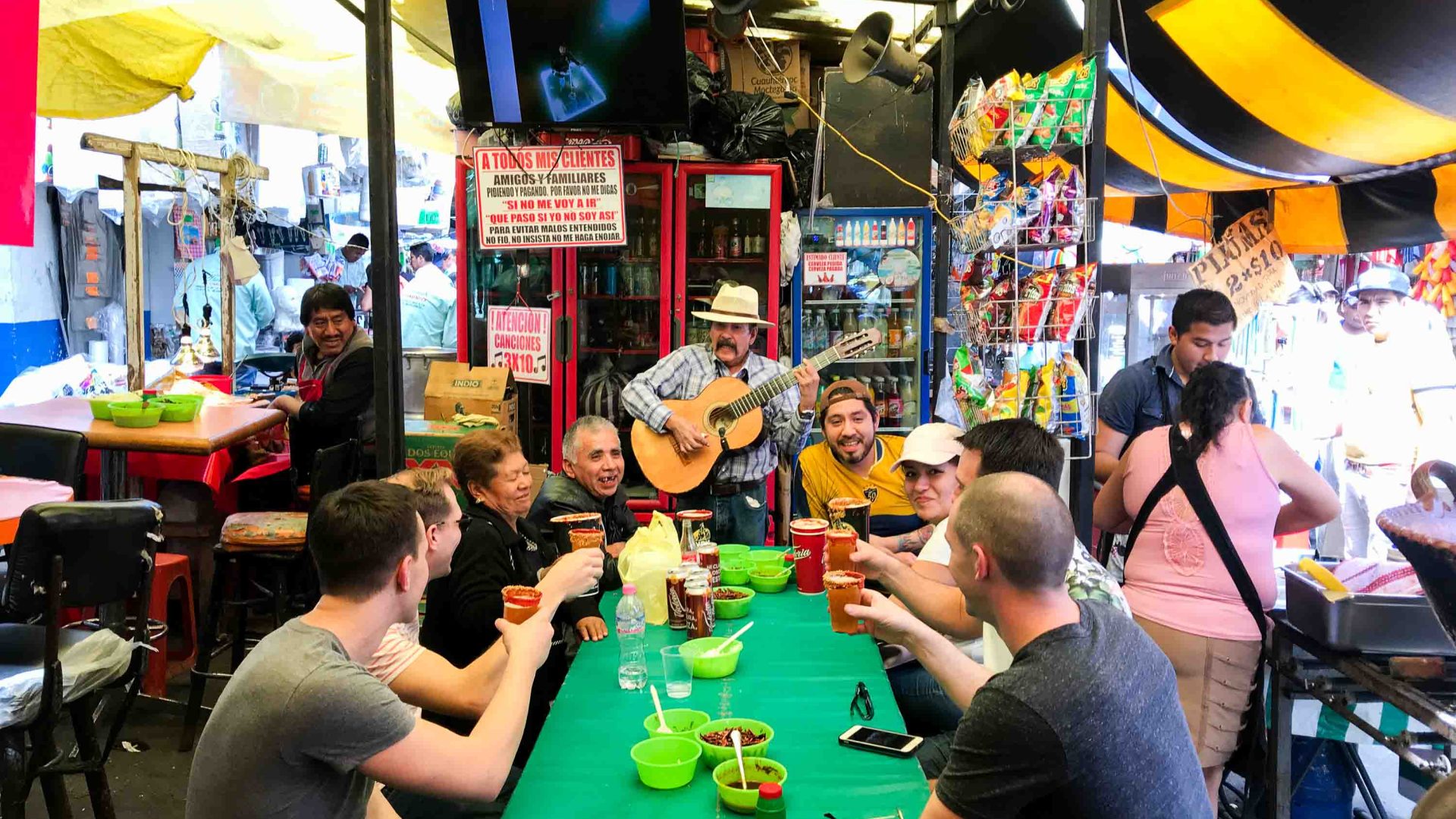
Markets in Mexico City operate on rhythms tourists rarely decode alone. At Mercado de San Juan, seafood vendors sell out by 1 PM.
At Mercado Roma's gourmet food hall, the artisan cheese stall runs weekend tastings at 11 AM. A local expert knows which stalls use seasonal ingredients, which have been family-run for forty years, and which require cash versus digital payment.
Context transforms eating into education. The difference between carnitas from Michoacán and Mexico City styles. Why chapulines appear on certain menus in August.
How to order at a taco stand without holding up the line. Local hosts teach the unwritten rules that guidebooks skip. A vendor gestures with a tortilla mid-story, explaining why his grandmother's salsa verde uses tomatillos from a specific Puebla grower.
Architecture You Can Read
Condesa and Roma Norte pack architectural density into walkable neighborhoods. Art Deco buildings from the 1920s and 1930s stand beside Porfirian mansions, modern insertions, and earthquake-reinforced structures from the 1980s.
Every facade tells a story about economics, migration, and cultural identity.
A knowledgeable host reads these layers aloud. The Jewish immigration wave that shaped Condesa. The bohemian artists who repopulated Roma after the 1985 earthquake. The building codes that changed neighborhood character. Coyoacán offers similar depth, with colonial architecture layered over pre-Hispanic foundations.
This isn't abstract history. It's visible on every block, but only if someone helps you see it. Your host stops at a corner building, runs a hand along the facade, and points out how the Art Deco relief work references pre-Columbian patterns. A 1930s architect's attempt to define Mexican modernism.
When Families Need Different Rhythms
Families traveling with children face logistics group tours ignore. Bathroom access. Snack timing. Streets with step-free routes for strollers. Neighborhoods where playing children blend into park culture versus those requiring quiet.
Mexico City welcomed 14.4 million hotel visitors in 2023, making it one of the most visited cities in the Americas.
As visitor numbers climb, expertise becomes more valuable, not less. When hundreds of travelers descend on the same Instagram-famous cafe, local knowledge identifies the equally good spot two streets over without the wait.
Local hosts adjust naturally. They know Chapultepec's Audiorama offers shaded benches with nearby restroom facilities. That the Museum of Anthropology allows backpack storage. That certain street vendors welcome curious kids while others prefer adult customers.
They build breaks into itineraries before children signal exhaustion. The pacing becomes personalized rather than regimented.
A Morning Built Around You
Consider a realistic four-hour window in Roma and Condesa, shaped by interests rather than checklists.
Start at Mercado Medellín at 10 AM, when vendors arrange morning deliveries. Taste seasonal fruit at three stalls, learning how vendors select suppliers. Walk two blocks to a corner cafe where locals read newspapers. Order café de olla and watch neighborhood rhythm unfold.
By 11:15 AM, you're in Parque México. Your host explains how this park replaced a racetrack in the 1920s and why the Art Deco fountain matters to neighborhood identity.
Families arrive with children. Vendors sell helado de garrafa using hand-cranked machines.
Walk Avenida Amsterdam's oval loop, pausing at five buildings representing different architectural moments. Your host shares personal stories about how the neighborhood evolved. You photograph details instead of entire facades.
At 12:30 PM, you're at a taquería locals recommend. Order three regional styles of tacos, each explained. Cost runs 150 to 200 pesos per person including drinks versus 500+ pesos at tourist zones. The difference isn't just price. It's authenticity.
Finish at a small bookshop in Roma specializing in Mexican literature. Browse for fifteen minutes. Ask your host for recommendations based on interests mentioned earlier. Walk ends at a metro station with clear directions back to your accommodation.
Note: Mexico City's rainy season runs June through September. Carry a light rain shell during these months. Sundays in Chapultepec draw heavy family crowds, particularly around the main lakes and castle.
Total distance: under three kilometers. Total understanding: exponentially more than a bus tour covering thirty.
Matching Requires Specificity
Pairing with the right local expert requires clarity about what you want and honest assessment of your needs.
Group composition: Solo travelers have different needs than families with young children or groups of friends. Mention mobility considerations, dietary restrictions, or language preferences upfront.
Neighborhood fluency: Some hosts specialize in specific colonias. If you're staying in Coyoacán, a host who grew up there offers different value than one specializing in Polanco.
Logistics clarity: Confirm meeting points, transportation methods, typical walking distances, and whether food tastings are included or separate. Ask about contingency plans for weather.
Reviews and verification: Look for hosts with documented neighborhood knowledge, not just enthusiasm. Consistent positive feedback about specific expertise matters more than generic praise.
The goal is alignment, not perfection. A good match transforms a tour into a conversation.
How to Be a Welcome Visitor
Local experts guide more than geography. They model respectful behavior in neighborhoods where people live daily lives.
Residential streets aren't performance spaces. Keep group conversations at normal speaking volume, especially early mornings or evenings. Ask before photographing vendors, residents, or shop interiors. Some locations welcome cameras. Others don't. Your host knows the difference.
Many small vendors and family businesses prefer cash. Bring small bills in pesos. Don't expect every taco stand to accept cards or dollars.
Follow your host's guidance about belongings, routes after dark, and neighborhoods requiring extra awareness. Local knowledge includes what to avoid, not just what to see.
Support businesses your host identifies as locally owned. Skip international chains. Your spending decisions shape neighborhood character. These aren't restrictions. They're how you become a welcome visitor instead of an extractive one.
Why Time and Knowledge Compound
Four hours with a knowledgeable local often surpasses eight hours on a tour bus, both in what you learn and what you experience.
Consider practical economics. Three exceptional tacos from a neighborhood stand cost 60 to 80 pesos. One tourist-oriented plate at a guidebook restaurant costs 300 to 400 pesos. The price difference is minor for many travelers. The quality gap is significant. Local hosts identify the former, not the latter.
The same logic applies to markets, museums, and transportation. Expertise doesn't just enhance experiences. It prevents wasted time and money on mediocre versions of things that exist in excellent forms three blocks away.
You also gain transferable knowledge. After a morning with a local host, you navigate better independently. You understand metro etiquette, tipping norms, and how to read neighborhood contexts. The learning extends beyond the hosted hours.
Understanding a Place Costs the Same as Seeing It
The opening contrast repeats throughout Mexico City. You can see Xochimilco's canals from a crowded trajinera singing pop songs.
Or you can float through with someone who explains the chinampas' agricultural history, points out native birds, and knows which vendors sell traditional amaranth sweets. Both cost roughly the same. Both take similar time. The difference is comprehension.
Walk through Chapultepec alone and you'll see trees, paths, and crowds. Walk through with a local expert and you'll understand why this forest represents cultural continuity from Aztec rulers to modern Mexico City, why specific monuments occupy specific locations, and how different areas serve different communities on Sunday afternoons.
Matching travelers with local experts doesn't eliminate independent exploration. It makes that exploration more informed, more respectful, and more rewarding.
When your guide points out how volcanic stones from the Templo Mayor ruins were reused in some nearby colonial walls, the city stops being a checklist. It becomes a conversation you're finally invited into.